


Новини
Новият GONOW: Движете се свободно и пълноценно
Новият GONOW: Движете се свободно и пълноценно
Among the many types of recreational vehicles on the market, Class B camper vans occupy a distinctive position. They are built on a standard van chassis and converted to include sleeping, cooking, and storage areas, packing the essentials of a mobile home into a vehicle that can still be driven like an everyday car. That combination of compactness and functionality has made the category increasingly popular with travelers, rental operators, and the dealers who serve them. This guide covers what defines a Class B camper van, who it suits best, and what to weigh when choosing or specifying one.
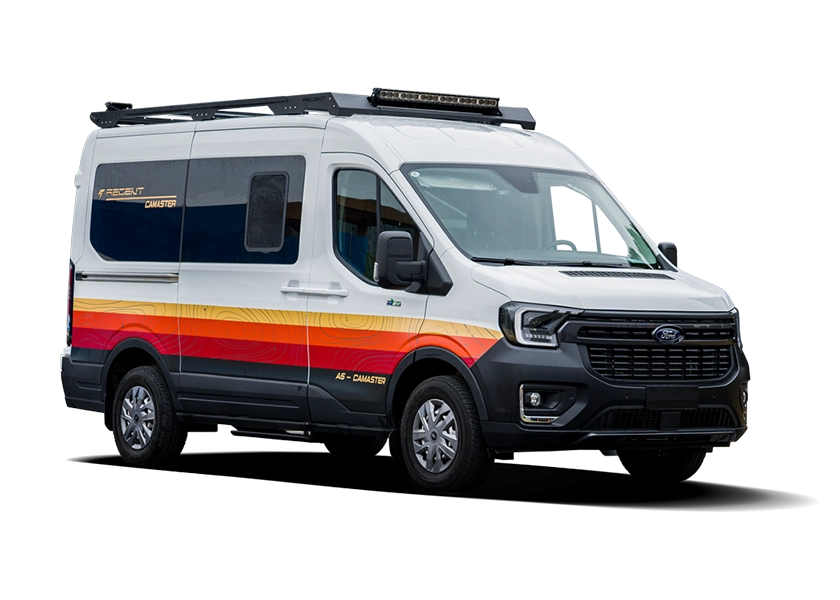
At its core, a Class B camper van is a converted van. The manufacturer starts with a commercial van platform and reworks the interior to add living features, keeping the original body shape largely intact. This sets it apart from larger motorhome classes, which are typically built on heavier chassis with significantly more living space, and from basic van conversions, which may offer little more than a bed and minimal storage.
Terminology varies across markets. In some regions the category is described as a campervan or a panel van conversion, and classification rules differ depending on local regulations. What remains consistent is the underlying idea: a compact, van-based vehicle that balances everyday drivability with genuine on-the-road living capability.
Several traits distinguish Class B camper vans from other recreational vehicles. The first is size. Because they retain the dimensions of a large van, they are easier to drive, park, and maneuver than bigger motorhomes, and they can fit into spaces that larger vehicles simply cannot access. Handling feels closer to a conventional vehicle, which lowers the learning curve for first-time owners.
The second is how space is used. With limited floor area, Class B interiors rely on smart, multi-purpose design: beds that fold or convert into seating, compact kitchens with efficient storage, and modular furniture that adapts to different needs throughout the day. Many models can also be equipped with optional systems such as a small bathroom, solar power, or independent heating, depending on the intended use. The result is a vehicle where every element serves more than one purpose, and where thoughtful layout matters more than raw size.
The category fits some travelers particularly well. Solo travelers and couples benefit most, since the compact interior is well matched to one or two people. Small families can also make it work, especially for shorter trips where the emphasis is on being outdoors rather than inside the vehicle.
Class B camper vans also appeal to people who want a single vehicle for multiple purposes. Because the driving experience is close to that of a regular van, they can serve as daily transportation during the week and a travel vehicle on weekends. For travelers who like to explore cities, narrow roads, and remote spots alike, the manageable size opens up destinations that larger motorhomes cannot reach easily. In the rental market, their approachable driving experience and lower barrier to entry make them a natural fit for customers who are new to recreational vehicles.
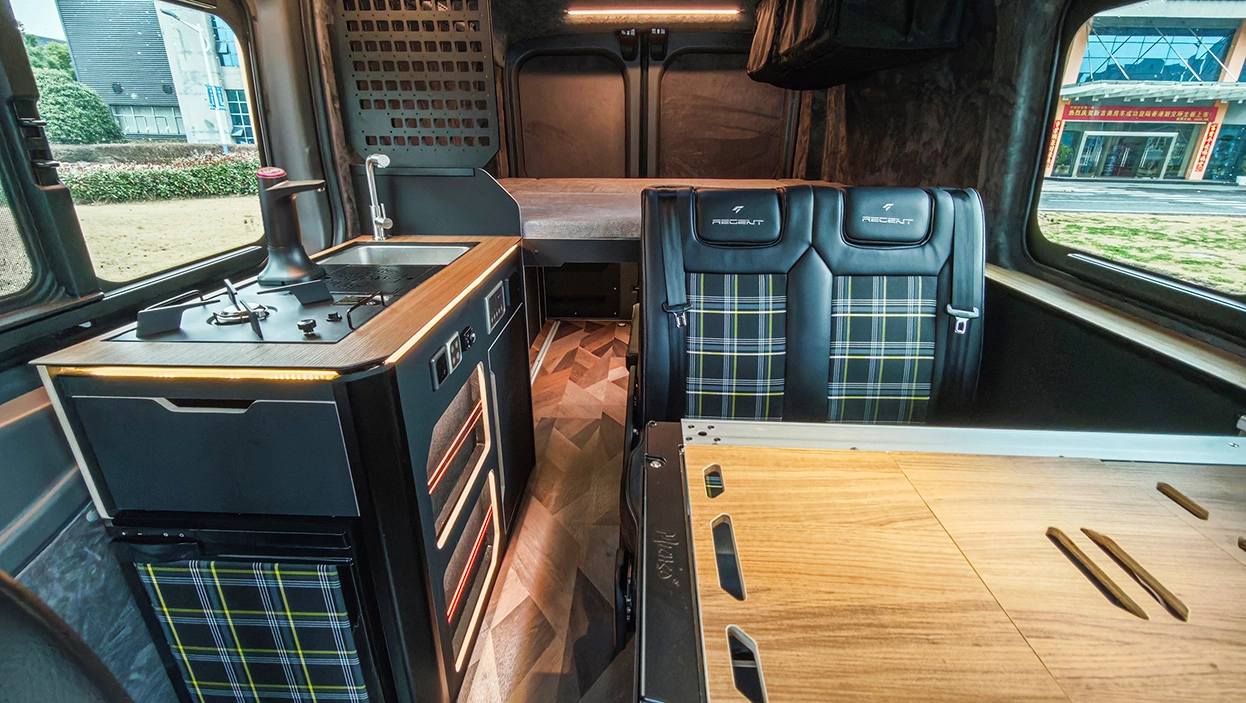
Compact design always involves trade-offs, and the most important consideration is how to allocate limited space. Adding an onboard bathroom, for example, adds convenience but reduces storage or living area. A larger bed improves comfort but may limit seating or kitchen space. Buyers and dealers should think carefully about which features matter most for their intended use rather than trying to include everything.
Underlying systems deserve equal attention. The choice of chassis and powertrain influences fuel efficiency, payload capacity, and driving range, while electrical setup, water systems, and insulation determine how comfortable and self-sufficient the vehicle is on longer trips. A weekend-focused van may need only a modest configuration, whereas one intended for extended travel or colder climates calls for more robust power and thermal solutions. Matching the specification to the real usage pattern is what separates a well-specified van from one that is either overbuilt or underpowered for its purpose.
The strength of the Class B camper van lies in flexibility within a compact footprint. But that flexibility depends heavily on how well the layout and configuration are tailored to the people who will use the vehicle. A design that suits a couple traveling on weekends may not work for a rental fleet or a family of four, and preferences also vary from one market to the next.
At New GoNow, we work with dealers, fleet operators, and business partners to shape camper van layouts and configurations around the specific needs of their markets and customers. If you are exploring the Class B category or looking for a manufacturing partner who can adapt to your requirements, we would welcome the conversation.


